MiSight

Myopia
Myopia is the medical term used for nearsightedness. Of all correctable visual impairments, myopia ranks number one. With this condition, the eye grows too long from the front to the back. As a result, images don’t focus on the retina. Instead, they focus at the front of it. With this refractive error, individuals can see things up close without any problem but everything at a distance appears blurry.
Why Myopia Progression Matters for Long-Term Health
A prescription that gets stronger over time means the eye is continuing to grow longer. This continued stretching of the eye can increase the risk of other eye health conditions later in life, including retinal detachments and glaucoma. That’s why managing its progression early is a proactive step toward protecting their future vision.
MiSight Lenses
These contacts slow the progression of myopia in children between the ages of eight and 12. Even more exciting, they slow the progression by as much as 59%. For instance, if an ophthalmologist or optometrist diagnoses a child with nearsightedness and predicts a diopter of -8.00, MiSight contact lenses can reduce that to about -3.50.
As the only contact lens on the market capable of doing this, the Food and Drug Administration (FDA) fully approved them in 2019.
Another benefit of wearing MiSight contacts over traditional lenses is their soft lens. Especially for younger wearers, they provide optimal comfort.
Also, an individual only wears them once before discarding them. It’s important to note that these contacts aren’t made for overnight wear. For that reason, users need to remove them from the eyes and discard them at the end of each day.
Stellest Lenses
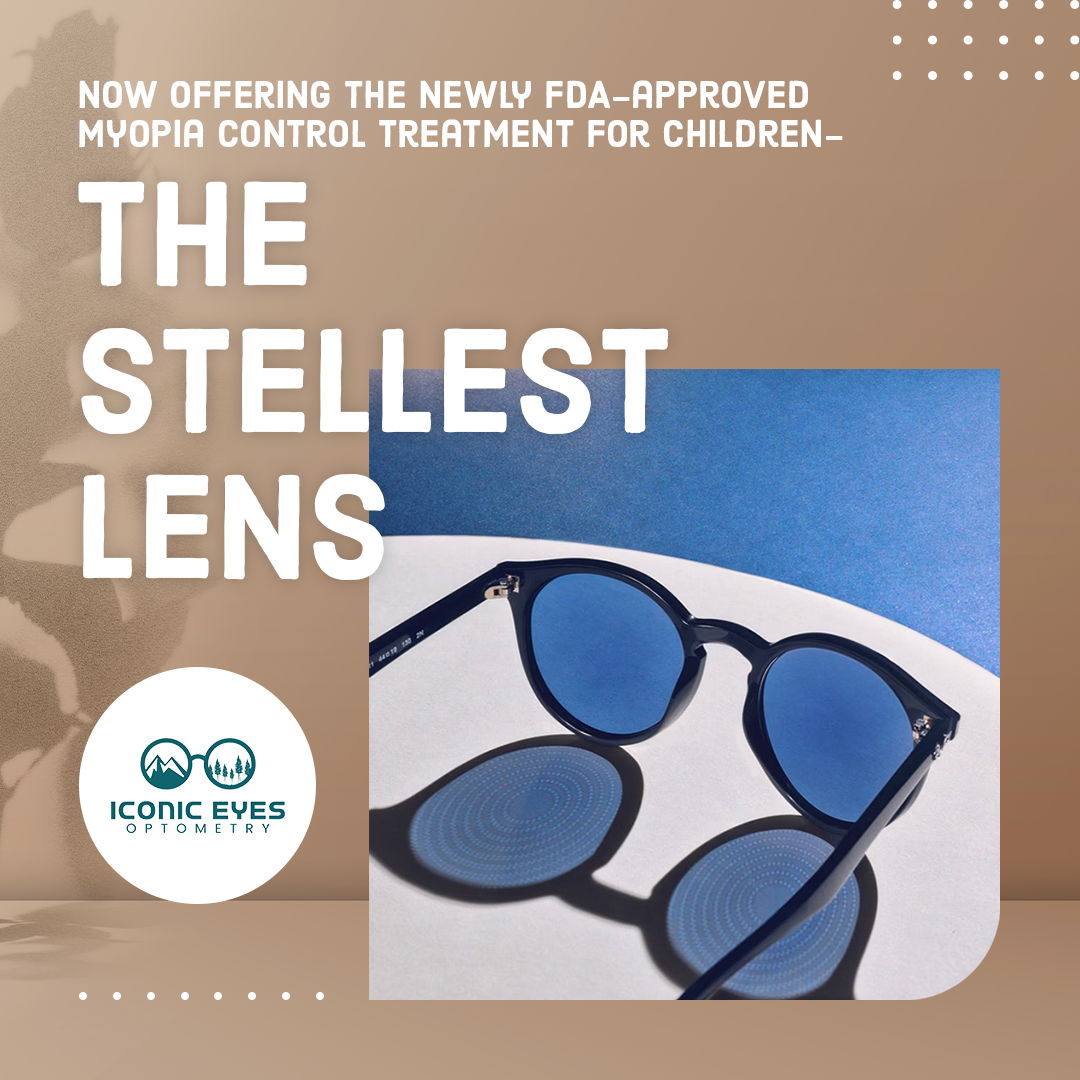
Instead of only focusing on creating clear vision today, Stellest lenses also manage how light is focused in the side (peripheral) vision. This is a modern approach to myopia control in children, providing clear vision for your child now while also helping to shift peripheral focus associated with eye growth. Standard glasses correct vision by focusing light onto 1 single point on the retina. While this can make your child’s distance vision clear, it doesn’t address the side focus that may influence eye growth.
The central part of the lens contains your child’s exact prescription, so they experience crisp, clear distance vision right away. For them, looking straight ahead can feel just like it does with any pair of glasses. Surrounding the center of the lens is a group of tiny, invisible “lenslets.” These lenslets change peripheral light in a way that may signal the eye to slow its growth. This part of the lens helps manage the progression of myopia over time.
Consultation and Follow-ups
A thorough evaluation from an eye doctor can help determine the most suitable myopia management plan for your child. The eye doctor can assess their vision and talk with you about all available options.
Follow-up appointments are a key part of the process. These regular eye health evaluations help the eye doctor to check your child’s vision and track the progression of their myopia, so you can see how the treatment is working over time.
Helpful Articles
article_category: products
article_category: psychiatry
article_category: faqs
article_category: cats
article_category: general
article_category: services
article_category: technology
article_category: dogs
article_category: restorative
article_category: vision therapy
article_category: contact lenses
article_category: health
article_category: conditions
article_category: eye surgery co-management
article_category: exotic
article_category: cosmetic
article_category: surgical procedures
article_category: aesthetics
article_category: preventative
article_category: ocular disease management
article_category: eyeglasses
article_category: eye health
article_category: large animal
[]
article_category: psychiatry
article_category: faqs
article_category: cats
article_category: general
article_category: services
article_category: technology
article_category: dogs
article_category: restorative
article_category: vision therapy
article_category: contact lenses
article_category: health
article_category: conditions
article_category: eye surgery co-management
article_category: exotic
article_category: cosmetic
article_category: surgical procedures
article_category: aesthetics
article_category: preventative
article_category: ocular disease management
article_category: eyeglasses
article_category: eye health
article_category: large animal
[]
Flowbite is an open-source library of interactive components built on top of Tailwind CSS including buttons, dropdowns, modals, navbars, and more.
Check out this guide to learn how to get started and start developing websites even faster with components on top of Tailwind CSS.
All Eye Care Services
Discover personalized eye care excellence with our comprehensive services. From eye exams to advanced diagnostics, trust us for all your vision needs.

Keep In Touch
For non-urgent questions or to learn more about our services, contact us today!
© 2026 Iconic Eyes Optometry. All rights Reserved - Accessibility Statement - Privacy Policy - Terms and Conditions - Sitemap
Managed and Designed by 